⏰ This survey has closed. Thank you to everyone who participated.
Brand Discovery · 2026
The brand hasn't caught up with what Open has built.
Before we fix it, we need the honest perspective of the people inside this company. This is what this survey is for — and why your 15 minutes matter more than you'd think.
Survey closes in24:00:00
4+
Years building a product that's genuinely ahead of the market. The brand hasn't kept up.
0
Verified reviews on G2 or Capterra — the first place enterprise buyers check.
2
Different positioning statements live on the website simultaneously right now.
The problem
Open is a category leader that doesn't look like one.
MoneyGram. Mollie. TicketSwap. Viva.com. These are world-class enterprise customers. The product outperforms Intercom's Fin on every measurable metric — 77% automation vs 67%, $0.60 per resolution vs $0.99. But a prospect who searches for Open before a sales call finds a brand that doesn't carry that weight. That gap is costing us.
⚠️
No brand recall Critical
"Open" is a common English word. Nothing in the current identity — mark, wordmark, or colour system — creates a distinctive memory that survives a sales cycle.
👁️
Invisible in category rankings Critical
G2's 2026 Agentic AI top 10 lists Intercom, Zendesk, Retell AI. Open — which beats Intercom on every metric — does not appear. The brand is not creating the presence the product deserves.
🔧
Agent 5 has no visibility Major
The core AI engine is buried in the footer nav. Intercom built an entire brand around Fin. Open's equivalent has no visual identity or presence anywhere.
💬
No shared internal brand language Major
Without a shared understanding of what Open stands for internally, every communication — a sales deck, a LinkedIn post, a demo — pulls in a slightly different direction.
Why this survey
Before we redesign anything, we need to know what we actually believe.
A brand built on assumptions is a brand that has to be rebuilt. Every decision — the logo, the voice, the positioning, the visual direction — will be derived from what this team says in this survey. Not from what looks good in a Figma file. From data.
Mission & Vision
Why Open exists and what winning looks like — in words the team actually believes
Brand Values
What Open stands for and what it would never compromise, ranked by the people who built it
Tone of Voice
How Open talks to the world — with real examples drawn from your input
Visual Direction
The aesthetic territory — dark vs light, geometric vs human, restrained vs expressive
Brand Promise
The one commitment Open makes to every customer — specific and defensible
Advocacy Foundation
What's stopping the team from sharing Open publicly — and what would change that
Why your input specifically matters: Brand strategy built without the people who built the company is strategy built on assumptions. The CEO, CMO, and CTO have access to perspective and instinct that no external research can replicate. This survey is how we extract that — systematically, without anyone needing to agree in a room first.
Ready? It takes 15 minutes.
Closes in . Don't leave it.
Open · Brand Discovery Survey ~15 min · Anonymous · Closes in —
Open · Brand Discovery · Internal Survey
Time to Open up. We need your honest take.
Before anything about Open's brand gets decided — the identity, the voice, the direction — it has to come from the people who built it.
That's you. Your perspective is the most valuable thing in this entire process. No agency or strategy framework can replace what you know about this company from the inside.
This isn't a test. There are no right answers. The only wrong answer is the one you hold back. Be honest, be direct — that's exactly what makes this useful.
Mostly choice questions, minimal typing. Works from your phone. Roughly 15 minutes — every answer directly shapes how Open shows up to the world.
24 questions~15 minutesFully anonymousCloses in 24h
Thank you for taking the time — genuinely. I know your schedule doesn't have gaps built in for surveys from people you've never met. This one is worth it.
— Fazel
1 of 24Purpose
Part 1 of 7 — Purpose & Mission
Mission
Why does Open exist — beyond revenue and growth?
If Open shut down tomorrow, what problem in the world goes unsolved? Not "a good product disappears." What's actually missing?
Please share your answer before continuing.
Vision
Finish this sentence. "We'll know Open has won when..."
A real vision is specific and slightly uncomfortable to say out loud. "When we're the biggest" doesn't count.
Please complete this sentence before continuing.
The enemy
What is Open built to make irrelevant?
Pick one — or write your own in the box below. What broken norm is Open here to end?
AI that deflects instead of resolves"Here's an article" is not support. The industry normalised this. We're here to end it.
The assumption that good support needs more headcountScale and quality shouldn't be in conflict. That's a 2005 problem.
Enterprise software built to create dependency, not resultsComplex by design. Sold on features, not outcomes.
The 48-hour wait as an acceptable customer experienceAn industry that decided making customers wait was fine.
Please select an option or write your own answer.
Part 2 of 7 — Internal Perception
Brand-reality gap
How well does Open's current brand actually reflect what this company is?
Not how customers see it. How YOU feel when you look at it. Does it represent the team, the ambition, the results?
Completely misrepresents usPerfectly captures us
Please rate using the scale — and describe the gap if you scored 7 or below.
Perception gap
How is Open perceived externally right now — versus how it should be?
Two boxes. Be blunt about the gap. This is the most important diagnostic question in the survey — both boxes need an answer.
Please fill in both boxes — the gap between them is what matters most.
First impression
A prospect Googles Open before a sales call. How does that make you feel?
Pick the one that's most honest — not what you wish were true.
Confident — the brand holds up, it backs the pitchWhat they find matches what we say in the room
Anxious — I hope they don't look too hardThere are gaps I know about and hope they miss
Mixed — the product story is there, the brand isn'tThe numbers are good. The first impression undersells us.
Frustrated — we've outgrown what's onlineThe brand is an earlier version of this company
Please select one option to continue.
Alignment
If five people at Open described the brand right now — how consistent would the answers be?
Think about the last time brand or marketing came up in a team conversation. How aligned did people seem?
Very consistent — we all say similar things
Mostly consistent — same themes, different words
Inconsistent — very different answers across the team
Honestly, I don't know — we haven't talked about this
Your three words for Open's brand today:
Please select an alignment option and enter your three words to continue.
Part 3 of 7 — Values & Personality
Core value
What does Open actually give people — beyond the product features?
This is about the emotional outcome — not the feature list. What do customers feel when Open is working?
Certainty when everything else is uncertainWhen the company is growing fast and breaking things, Open is the part that reliably works
Permission to focus on what mattersWe take the volume so teams can handle the complexity
Proof that AI actually works — not just a promiseThe receipt sceptical buyers need before they'll commit
Control at scaleThe feeling that support is under control even as you grow
Please select one option to continue.
Non-negotiables
What would Open never do — even if it was commercially smart?
Pick all that apply. These become the brand's red lines — the things that define character under pressure. Select at least one.
Overstate capabilities to close a deal
Build something we don't believe in because a client asked
Use fear as a sales tactic
Position ourselves as something we're not
Prioritise how we look over what we deliver
Let a bad customer result go unaddressed
Trade quality for speed to hit a deadline
Use dark patterns in the product
Please select at least one option.
Personality
Which words best describe Open's personality?
Pick 3–5 that feel most true. Go with your gut.
Precise
Bold
Warm
Expert
Challenger
Leader
Straightforward
Sophisticated
Urgent
Steady
Ambitious
Trusted
Please pick at least 3 traits.
Culture
What does Open do as a company — not as a product — that you've never seen anywhere else?
The thing that if someone tried to change it, you'd push back hard. What makes this place different from every other startup you've seen?
Please share what makes Open unique before continuing.
Part 4 of 7 — Voice & Communication
Tone register
How should Open talk to customers? Pick the relationship that feels right.
Not how it currently talks — how it should. The relationship dynamic shapes every sentence we write.
Expert colleagueKnows more than you, never makes you feel it. Generous with knowledge, never condescending.
Trusted advisorHas seen this before. Gives you the honest answer, not the comfortable one.
Confident operatorDoesn't explain itself much. The results do the talking. Short and outcome-focused.
Sharp partnerOn your side, commercial, gets the stakes. Collaborative but never soft.
Please select the tone relationship that fits best.
Anti-language
Which of these would you never want to see in Open's marketing?
Pick everything that feels wrong. These define the edges — what we'd reject even if a client or agency pushed for it. Select at least one.
"Leverage AI-powered synergies to transform your CX ecosystem"
"Join thousands of happy customers"
"The future of customer support is here"
"Our AI truly understands your customers"
"Simple, powerful, and affordable"
"Book a call to learn more"
"Trusted by leading enterprises worldwide"
"Designed with your team in mind"
Please select at least one phrase you'd reject.
Part 5 of 7 — Visual Language
Visual direction
Which of these brand visuals feels most like where Open should belong? Select up to 3.
Gut reaction only — don't overthink it. Pick what pulls you.
Please select at least one visual before continuing.
Brand feel
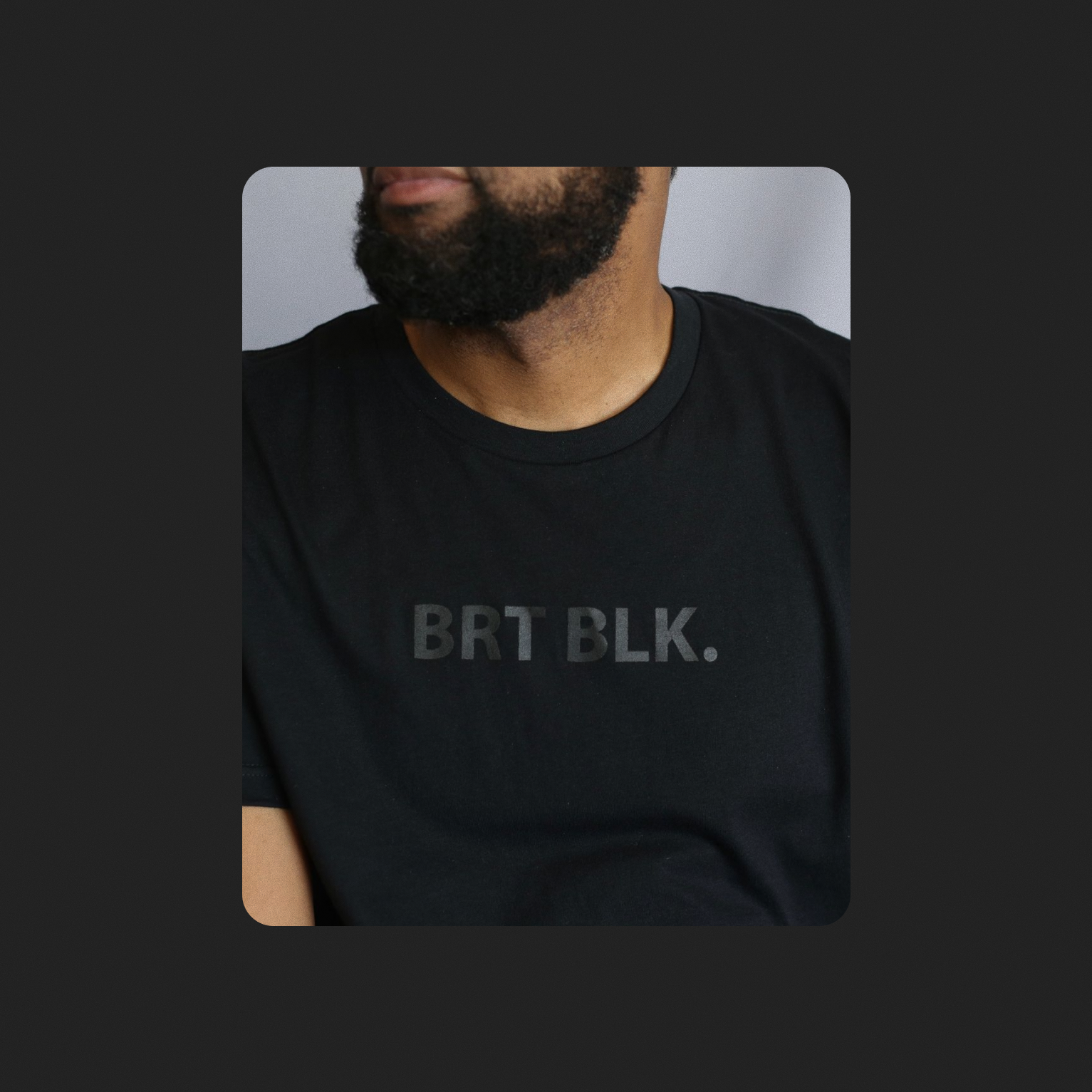
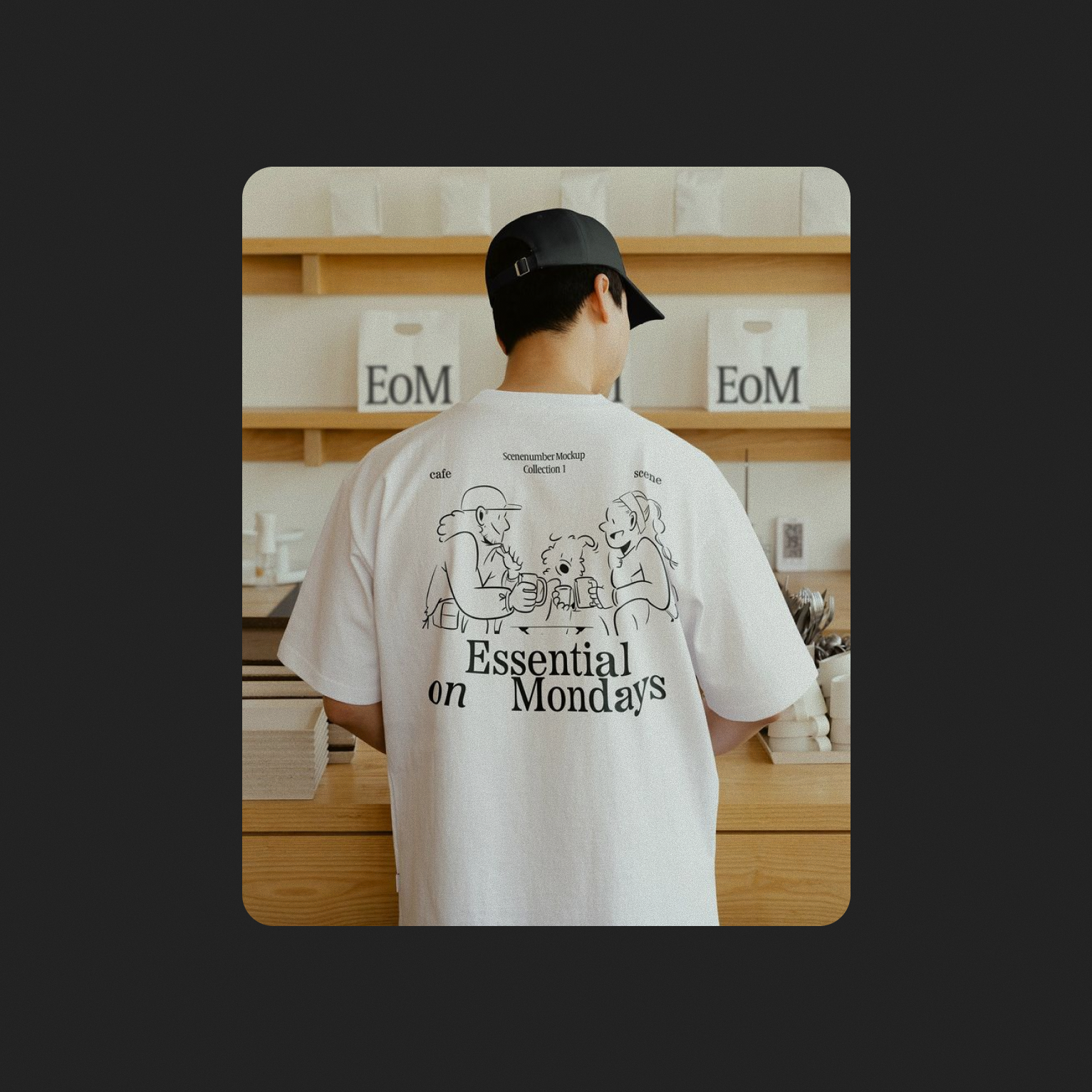
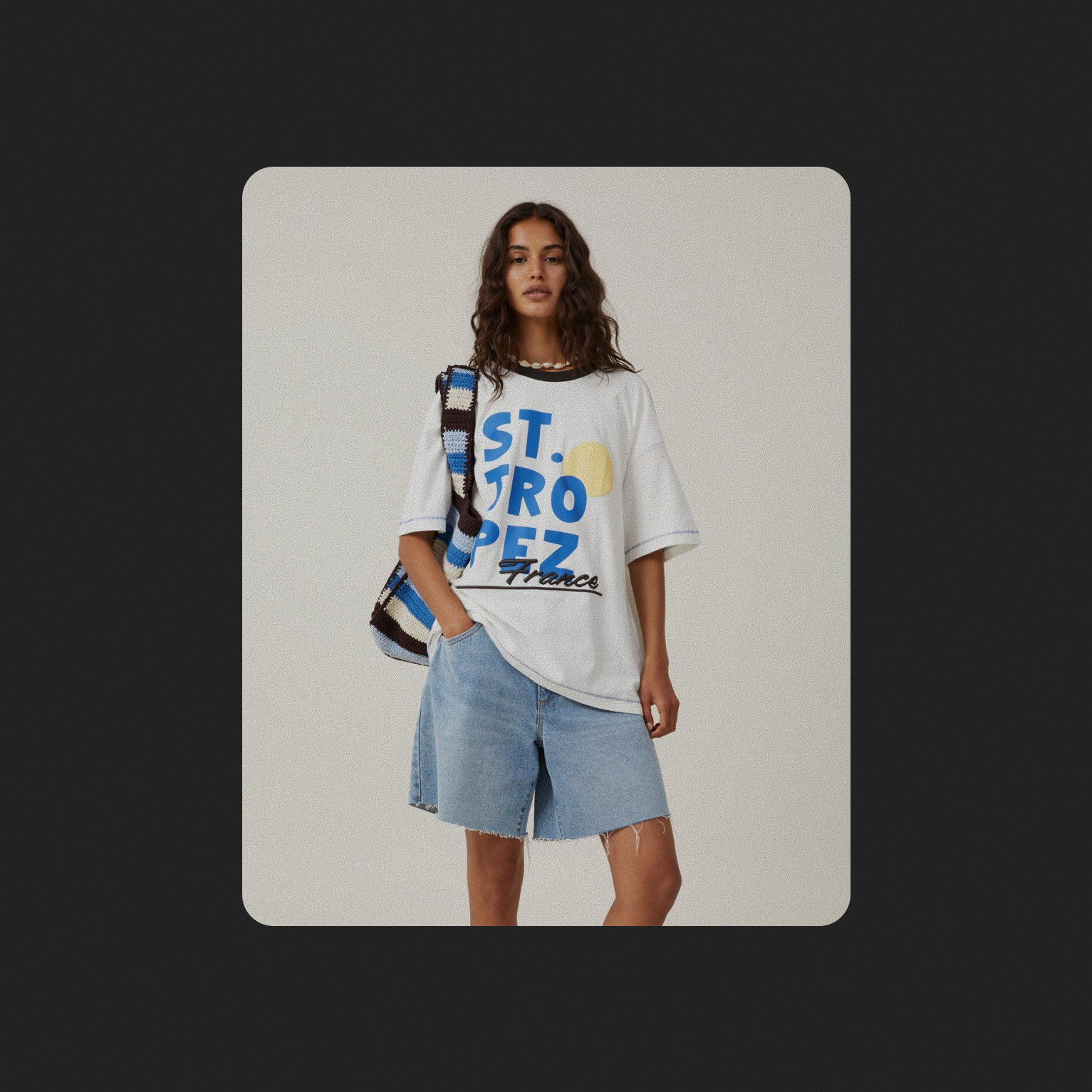
If Open made merch — what would you actually want to wear?
Pick the style you'd be proud to put on. One answer.
All-black tonal teeQuiet, confident, no explanation needed
Illustrated back-print teeCharacter, story, personality on your back
Oversized graphic teeBold type, statement energy
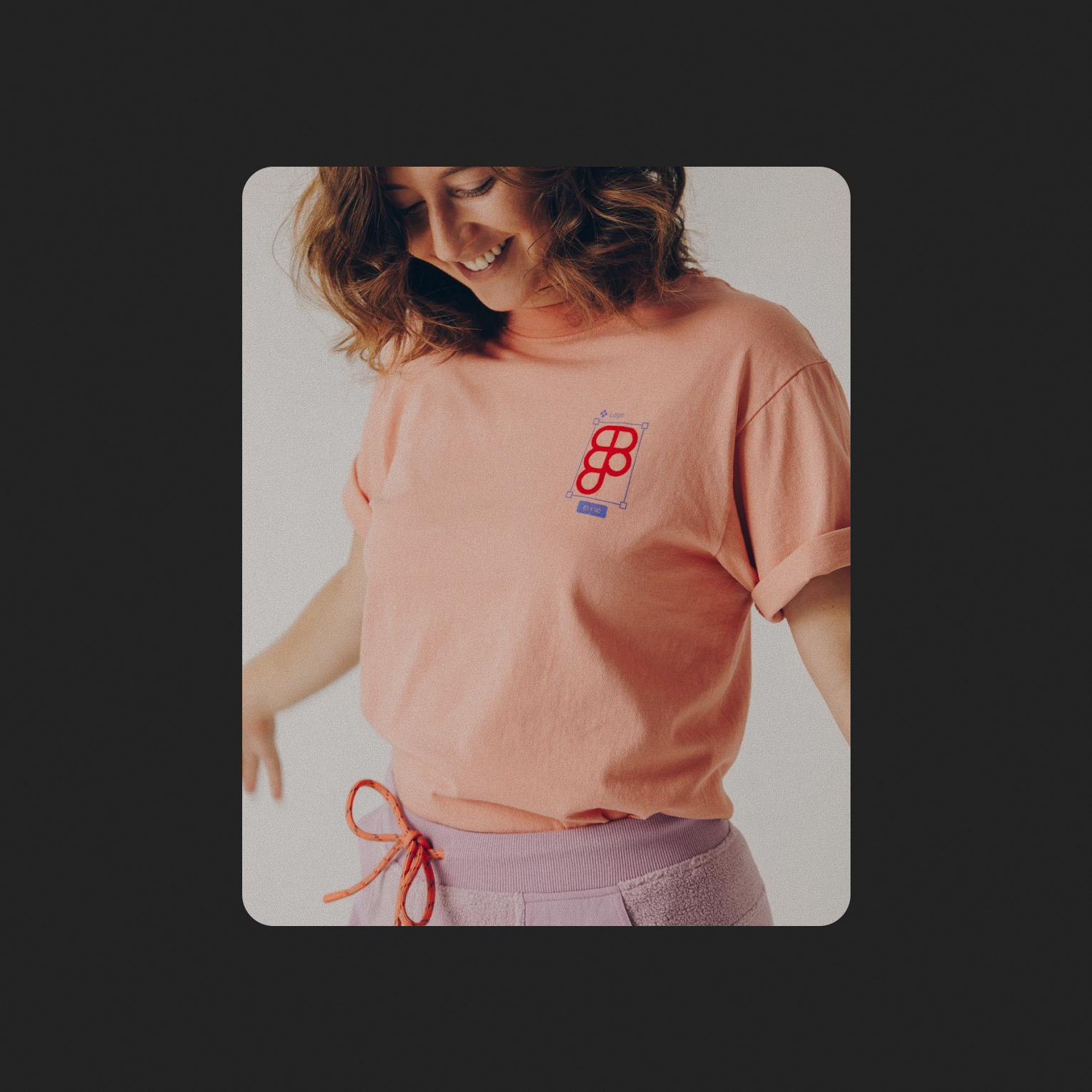
Subtle chest logo teeClean, understated, insider feel
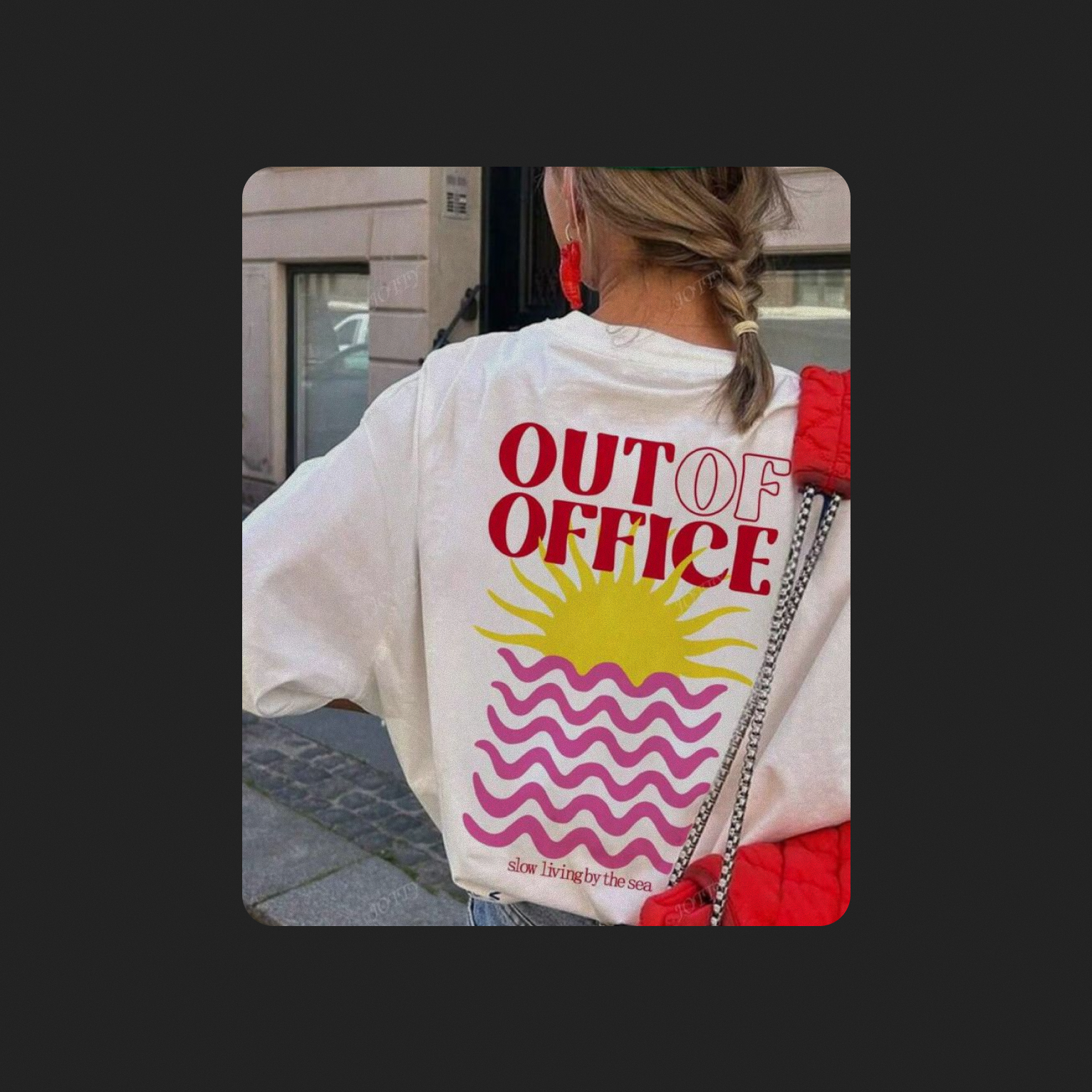
Back-print slogan teeFun, loud, made for weekends
Please pick a style before continuing.
Part 6 of 7 — Brand Promise & Advocacy
The promise
What does Open promise every customer — and can always keep?
Not an aspiration. A commitment. Specific and defensible only — something you could verify with data if asked.
Please write the brand promise before continuing.
Only Open can
"Any AI support tool can automate tickets. Only Open can..."
Write exactly what comes to mind first. Don't polish it — the unfiltered version is more useful than the perfect one.
Please complete this sentence before continuing.
Advocacy
Have you ever posted about Open on LinkedIn or social media?
Be honest — this isn't about what you should have done. It tells us where the advocacy gap actually is.
Yes, regularly — I post about Open often
Occasionally — when something feels worth sharing
Rarely — once or twice
No — I haven't posted about Open publicly
Please select one option to continue.
Barriers
What gets in the way of posting about Open? Pick all that apply.
Every item you select shapes what we need to fix or provide before asking the team to advocate publicly. Select at least one.
I'm not sure what I'm allowed to say publicly
I don't want to come across as promotional
The brand doesn't feel strong enough to amplify yet
I worry about saying something wrong or off-brand
I don't know what content would be worth sharing
I'm not that active on LinkedIn anyway
No clear guidance on how to talk about Open
Nothing — I just haven't got round to it
Please select at least one barrier (or "Nothing" if none apply).
The trigger
What would make you genuinely want to post about Open — without being asked?
A milestone, a piece of content, a customer story, a product moment — what would tip you from passive to active?
Please share what would motivate you to post.
Part 7 of 7 — Aspiration & Final Questions
Brand reference
Which company has the brand position you want Open to have — and why specifically?
Not "we want to be like Apple." What specifically did they do? Name the move — the campaign, the positioning decision, the narrative shift.
Please name a brand reference and explain why.
Quick one
If Open were a publication — which one would it be?
Gut reaction — first instinct. This tells us about brand personality without asking directly.
The EconomistAuthoritative, precise, no fluff
WiredTech-forward, curious, culture-aware
MIT Tech ReviewDeep, research-led, respected
Fast CompanyChallenger, optimistic, modern business
Please pick a publication before continuing.
The fear
What brand outcome would feel like failure — even if the product succeeds?
Pick the outcome that would genuinely sting — the version of success that wouldn't feel like success.
Being seen as "the cheaper Intercom"Known for undercutting, not outbuilding
A technically impressive product no one talks aboutSmart but invisible. Bought but never loved.
A startup that never escaped "promising but unproven"Good logos, still treated as a risk
Complex and hard to trust at scaleFine for simple cases, not mission-critical operations
Please select the failure mode you most want to avoid.
Final
What's the one thing you'd want every enterprise buyer to already believe before they see anything from Open?
The single belief that makes every sales conversation easier. If they walked in already convinced of this, the rest would follow.
Please share this belief before submitting — it's the most important answer in the survey.
Done · Thank you
That's exactly what we needed.
Seriously — thank you. What you just gave us is irreplaceable.
Your answers, combined with everyone else's, form the foundation of Open's brand strategy. Every decision from here — the logo, the words on the website, how we show up in a sales call — will be rooted in what this team actually believes. Not assumptions. Not guesswork. This.
You'll see your input reflected in the work when it comes back to you. This isn't a black box.
One more thing — who else should we hear from?
If there's someone on your team — sales, product, customer success, engineering — whose perspective would genuinely add value, please forward the survey link to them. Better data means a stronger strategy. It takes them 15 minutes. It could shape the brand for years.
What happens next
Brand Strategy
All responses synthesised into Open's brand foundation
Then
Visual Identity
Logo, type, colour — everything derived from strategy